REVIEW · PUERTO VALLARTA
Introduction to Watercolor
Watercolor is easier with the right coach. This beginner class at Art VallARTa makes it practical fast, with professional watercolor materials handled for you in a tight group setting. I like that you can join just one session or keep building skills across a class series.
Two things I really like are the patient teaching style (notably instructors Lourdes and Veronica) and the clear technique focus that helps you stop guessing. One consideration: the studio is up a steep hill and involves stairs, so a taxi is a smart call if mobility is limited.
Key things to know before you go
- Max of five people, so you get real guidance on mixing, layering, and texture.
- You can level up over multiple classes, each lesson centered on a different technique.
- Pro supplies provided, so you can show up and paint without shopping first.
- Beginner course structure, covering color theory, mixing, paint layering, and surface texture.
- On-site gallery time, since Art VallARTa is also a cultural center for local artists.
- English instruction plus a mobile ticket for easy check-in.
Weighing it up? These leave from the same marinas and beaches:
- Puerto Vallarta Best Zipline Canopy + Tequila and Speed Boat Ride
★ 5.0 · 3,786 reviews - Winner 2025 Downtown Vallarta Food Tour with Vallarta Food Tours
★ 5.0 · 3,738 reviews - Extreme Adventure, Wildest Bridge, ATV & Ziplines
★ 5.0 · 3,179 reviews
Finding Art VallARTa in Zona Romántica, and getting there on time
You’re meeting at ART VallARTa Pilitas 213 in the Zona Romántica area of Puerto Vallarta, at Amapas (48333). The class starts at 10:00 am, and it ends right back at the meeting point, so you can plan the rest of your day without a mystery itinerary.
Logistically, Art VallARTa is close enough to public transportation that you are not boxed into a taxi. Still, the studio itself sits on a hill. One review notes it is a well-lit studio but requires going up a steep hill with flights of stairs. If that could slow you down, you will likely be happier hiring a taxi and arriving with a little buffer time.
Also keep in mind: the tour uses a mobile ticket, and you should receive confirmation when you book. That makes it easier to keep your day simple once you arrive in Puerto Vallarta.
What a beginner watercolor class covers, beyond pretty pictures
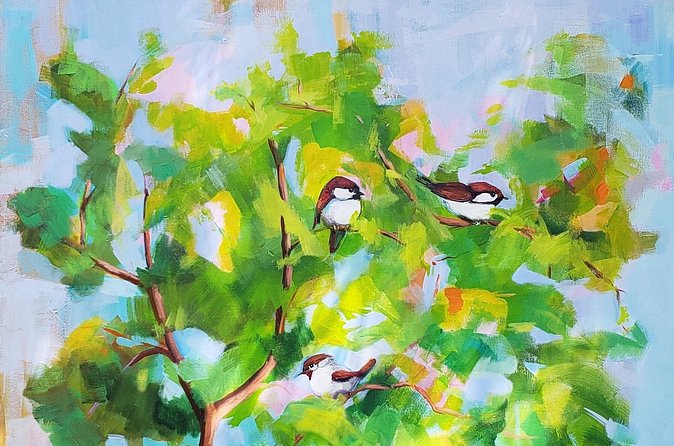
This is a true beginner course, but it is not vague. You are guided through the fundamentals you need to make watercolor behave the way you want.
Here’s the core learning plan:
- Color theory, so your choices make sense rather than feeling random
- Color mixing, so you can create tones you actually need
- Paint layering, the method for building depth without turning muddy
- Texture techniques, so your work has variety and form
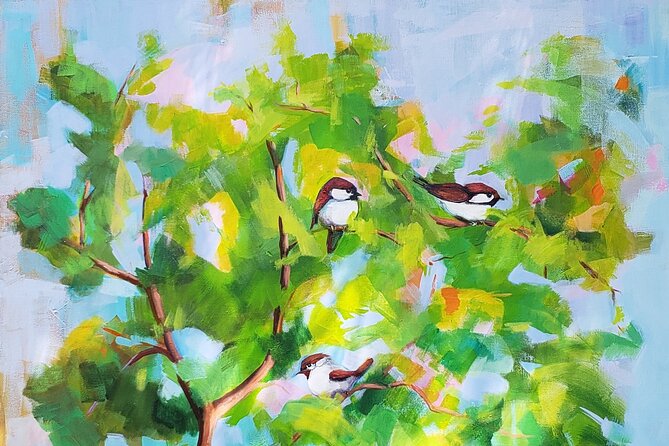
The class uses subject matter that keeps you from getting stuck. You’ll practice with still life, plus painting approaches applied to wildlife and outdoor scenes. That combination matters because watercolor skills transfer best when you practice on different types of shapes, edges, and details.
If you are the type who wants structure, this course gives it to you. If you already dabble, the multi-class option helps you keep improving instead of repeating the same basics.
Color mixing and layering, taught with real feedback
Watercolor can feel tricky because it punishes uncertainty. You add water, color blooms, edges soften, and then you have to steer the result. That is exactly why mixing and layering are the heart of this class.
What makes the instruction stand out in the feedback you have here is the way the teachers support different abilities. Veronica is specifically praised for advising across levels, which is what you want in a beginner class. You do not just get a demo you try to copy. You get guidance on what to adjust.
And Lourdes is described as patient, with deep knowledge of both watercolor techniques and theory, plus a fun class pace that makes the time fly. That matters because watercolor is part craft, part timing. When you understand why a step works, you waste less paint and you fix mistakes faster.
You should expect the lessons to move method by method: learning how to mix a workable palette, how to build layers in a way that keeps the paper readable, and how to add texture without losing control.

Still life, wildlife, and outdoor scenes: why subject variety helps
The course does more than teach watercolor as an abstract concept. It has you practice on multiple types of subjects, which is where beginners often level up quickest.
Still life helps you learn controlled shapes: fruit, objects, or simple compositions where you can focus on value and edges. Wildlife work pushes you into detail and quick decisions about form. Outdoor scenes train you to think in layers and atmospheres, because distant elements need gentler transitions.
Even if you are not a wildlife person, these subjects teach you general watercolor thinking:
- how to separate foreground, midground, and background using washes
- how to keep textures from looking flat
- how to handle soft edges without overworking the paint
That variety is also a good reason to consider booking more than one session. Each class focuses on a different technique, so you are not only painting different things, you are building a skill set that stacks.
One class or a series, and how to use the multi-session option
The experience is designed so you can join for a single class or keep going through a series. Each class emphasizes a different technique, so it works as a stepping stone.
Here’s how I would use that if you are deciding what to do:
- If you have limited time in Puerto Vallarta, take one class to get the basics of mixing, layering, and texture.
- If you have a few spare hours across different days, do a second class to build confidence and stop treating watercolor like a lucky accident.
- If you are already painting, joining multiple sessions gives you targeted practice instead of repeating the same pattern.
This approach is great value because you are not just buying a one-time souvenir. You are buying progress, with a teacher who can correct your technique in the moment.
Supplies and the small details that can make or break your class
A big selling point here is that you do not need to bring your own art supplies. Professional materials are provided, which removes friction. It is one less thing to pack, one less thing to forget, and one less thing to buy at an inflated tourist store.
The main potential problem shows up in one of the ratings. One participant described brushes and paints that were not cleaned properly, and that can absolutely affect results. Watercolor is sensitive to residue. A brush that still holds old pigment can shift your colors or create unexpected stains.
The provider response is important because it names what happened and what they are doing about it. They apologized and specifically said they use premium supplies, including high-quality Daniel Smith Watercolors, and that their cleaning standards fell short in that instance. They also said they took immediate action to review supply maintenance.
So what should you do? Keep it simple:
- Check your brushes and paints when you get them.
- If something looks off, ask for a replacement.
- If you are very particular about hygiene and pigment control, you can still bring your own small brush backup in your day bag, just in case. (You are not required to bring supplies, but a backup can calm your nerves.)
Art VallARTa’s gallery setting: painting with a sense of place
Art VallARTa is more than a classroom. It is a cultural center with gallery space, and the setup lets you see what local artists around Banderas Bay are working on.
One review specifically points out that it was great to have a gallery where students could view local artists’ work. That is not just decoration. Seeing local art helps you understand what styles and subjects are natural here, and it can give you ideas for what to try after class.
If you take the class and then wander the nearby area in Zona Romántica afterward, you will feel more connected to Puerto Vallarta beyond the usual beach routine.
Price and value: is $36 worth it?
At $36.00 per person, this class is priced for real beginner value. It is a 2 hours 30 minutes session, and you also get professional materials. When you add in instruction for a small group of up to five people, the cost starts to make a lot of sense.
Here’s what you are paying for:
- teaching focused on fundamentals you can actually use
- feedback that helps you correct technique while you are painting
- supplies included, so you are not starting from scratch
If you were buying paper, brushes, and watercolor paints yourself, you would likely spend more than the class cost before you even finish one good session. Even if you already own supplies, the structured teaching and small-group attention are the real value.
One more practical point: the booking includes free cancellation, with full refund if you cancel at least 24 hours before the start time. That gives you flexibility if your Puerto Vallarta schedule changes.
Who should book this watercolor class in Puerto Vallarta
This class fits best if you want:
- a beginner-friendly start with structured guidance
- a small group experience where you can ask questions
- a technique-focused class series you can repeat as you improve
- pro materials supplied so you do not have to shop
It also helps if you want English instruction. The experience is offered in English, and the teaching has been praised for both patience and ability to support multiple skill levels.
The main reason you might think twice is physical access. Since the studio is up a steep hill with stairs, plan accordingly if stairs are hard for you. Taxi can make a noticeable difference.
Should you book this watercolor class?
I would book it if you want a straightforward way to learn watercolor fundamentals without turning your vacation into an art supply shopping trip. The combination of small group size, technique-focused lessons, and instructors praised for clarity and patience makes it a strong choice for beginners and return students.
I would also book it with one eye open: check your brushes and paint condition at the start. One supply-cleaning issue showed up in a rating, and the provider responded with an apology and a promise to tighten maintenance. That response is encouraging, but you are still smart to inspect what you are given.
If your schedule fits, one class can give you the core “how to” knowledge. If you can stay longer or you are serious about improving, booking multiple sessions is the better move because each class adds a new technique to what you already learned.
FAQ
Where is the watercolor class meeting point, and what time does it start?
You meet at ART VallARTa Pilitas 213, Zona Romántica, Amapas, 48333 Puerto Vallarta, Jal., Mexico. The class starts at 10:00 am.
How long is the watercolor class?
The duration is about 2 hours 30 minutes.
What language is the class offered in?
The class is offered in English.
What will I learn in the beginner watercolor course?
You will learn the basics of watercolor, including color theory, color mixing, paint layering, and texture. You will practice through still life, wildlife subjects, and outdoor scenes.
Is this a small group class?
Yes. It has a maximum of 5 travelers.
Do I need to bring my own art supplies?
No. You do not need to bring your own art supplies because professional materials are provided.
What is the cancellation policy?
You can cancel for a full refund up to 24 hours before the experience’s start time. Free cancellation is available up to 24 hours in advance.
More Tour Reviews in Puerto Vallarta
- Puerto Vallarta Best Zipline Canopy + Tequila and Speed Boat Ride★ 5.0 · 3,786 reviews
- Winner 2025 Downtown Vallarta Food Tour with Vallarta Food Tours★ 5.0 · 3,738 reviews
- Extreme Adventure, Wildest Bridge, ATV & Ziplines★ 5.0 · 3,179 reviews
- Mega Yacht ALL INCLUSIVE Yelapa Waterfall & Snorkeling Adventure★ 5.0 · 2,515 reviews
- Food & Mixology Tour:Tequila,Tacos, Mezcal and Agave Cocktails★ 5.0 · 1,884 reviews